What Is Non-Suicidal Self-Injury?
Non-suicidal self-injury (NSSI) refers to intentionally hurting oneself without the intention of ending one’s life. People may engage in self-injury for different reasons, including coping with overwhelming emotions, expressing distress, or attempting to manage difficult internal experiences.
Self-injury can be difficult to talk about, and people may experience shame, secrecy, or fear of being judged. Therapy provides a confidential, supportive environment where these concerns can be discussed without judgment.
How Can Therapy Help?
Therapy can help you understand what contributes to self-injury and develop safer, healthier ways to manage difficult emotions and situations.

Depending on your needs, therapy may help you:
- Identify triggers and patterns associated with self-injury
- Develop healthier coping strategies
- Improve emotional regulation
- Manage overwhelming emotions
- Develop alternatives to self-injurious behaviors
- Address anxiety, depression, or other underlying concerns
- Build communication and problem-solving skills
- Develop greater self-awareness and self-compassion
- Strengthen supportive relationships
Treatment focuses on understanding the function of the behavior while developing effective alternatives for coping.
Who Can Benefit From Therapy?
Therapy may be helpful for individuals who are engaging in self-injury or are struggling with urges to hurt themselves.
It may also be appropriate for individuals who:
- Feel overwhelmed by difficult emotions
- Have difficulty expressing emotional distress
- Use self-injury as a way to cope
- Feel shame or isolation related to self-injury
- Want to understand their triggers and patterns
- Want to develop healthier coping strategies
If you are experiencing thoughts of suicide or believe you may be in immediate danger, seek emergency assistance or call/text 988 for the Suicide & Crisis Lifeline.
What Can We Help With?
Therapy may address concerns related to:
- Non-suicidal self-injury
- Emotional regulation
- Anxiety and depression
- Stress and overwhelming emotions
- Coping skills
- Self-esteem and self-compassion
- Relationship concerns
- Difficult life experiences and transitions
Non-Suicidal Self-Injury Support at Modern Me Psychology
At Modern Me Psychology, we approach self-injury with compassion and without judgment. Understanding why a behavior occurs can be an important part of developing healthier ways to respond to emotional distress.
Treatment is individualized and focuses on building practical coping skills, increasing emotional awareness, and addressing concerns that may contribute to self-injurious behavior.
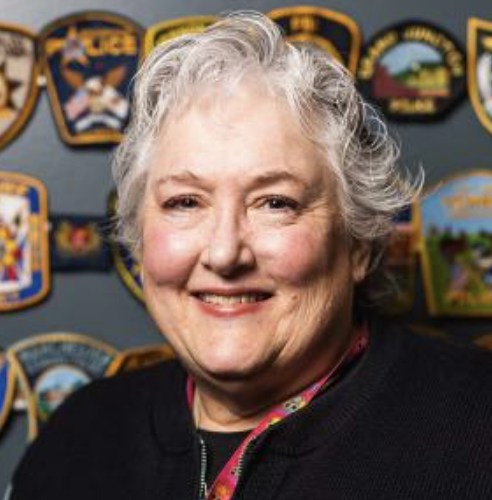
Our Clinician Who Works With Non-Suicidal Self-Injury
Related Approaches
Depending on your needs and treatment goals, treatment may incorporate approaches such as:
- Dialectical Behavior Therapy (DBT)
- Cognitive Behavioral Therapy (CBT)
- Client-Centered Therapy
- Psychodynamic Therapy
- Acceptance and Commitment Therapy (ACT)
Explore our Anxiety, Depression, and Trauma & Post-Traumatic Stress pages for additional information.
Ready to Get Started?
Talking about self-injury can be difficult, but you don’t have to face it alone. Therapy can provide a safe, supportive place to understand what you’re experiencing and develop healthier ways to cope.
Services are available in person at our Roselle, Illinois office and through telehealth for clients located in Illinois.
We accept several insurance plans, and coverage varies by plan and clinician. Contact us to confirm your benefits and whether your preferred provider and service are covered.