What Are Eating Disorders?
Eating disorders are serious mental health conditions that can affect a person’s relationship with food, eating, body image, and weight. They can affect people of any age, gender, or body size.
Eating-related concerns can involve restrictive eating, binge eating, compensatory behaviors, intense concerns about body shape or weight, or distress surrounding food and eating. These experiences can affect emotional well-being, relationships, physical health, and daily life.
How Can Therapy Help?
Therapy can provide a supportive, nonjudgmental space to explore thoughts, emotions, behaviors, and experiences related to food and body image.

Depending on your needs, therapy may help you:
- Explore thoughts and feelings related to food and body image
- Develop healthier coping strategies
- Address negative self-talk and self-esteem concerns
- Recognize patterns that contribute to distress around eating
- Develop healthier ways of managing difficult emotions
- Improve relationships and communication
- Build flexibility around thoughts, behaviors, and expectations
- Work toward treatment goals in a supportive environment
Treatment is individualized and based on your needs, circumstances, and goals.
Who Can Benefit From Eating Disorder Therapy?
Therapy may be helpful for individuals experiencing distress related to eating, body image, or their relationship with food.
You may benefit from support if you:
- Feel significant distress about food or eating
- Have a difficult relationship with your body or appearance
- Frequently criticize or feel negatively about your body
- Experience patterns of restrictive or binge eating
- Use food-related behaviors to cope with difficult emotions
- Feel anxious or overwhelmed around eating
- Experience shame or guilt related to food
- Want to develop a healthier relationship with food and your body
What Can We Help With?
Our clinicians can provide support for concerns involving:
- Disordered eating patterns
- Body image concerns
- Binge eating
- Restrictive eating
- Emotional distress related to food
- Negative body image and self-esteem
- Anxiety related to eating or body image
- Coping with difficult emotions
- Relationship and interpersonal concerns associated with eating difficulties
Eating Disorder Support at Modern Me Psychology
At Modern Me Psychology, treatment is individualized to each client’s experiences and goals. Our clinicians provide a supportive environment where clients can explore the emotional and behavioral factors connected to eating and body image.
Because eating disorders can affect physical as well as emotional health, therapy may be coordinated with medical, nutritional, or other healthcare professionals when appropriate.
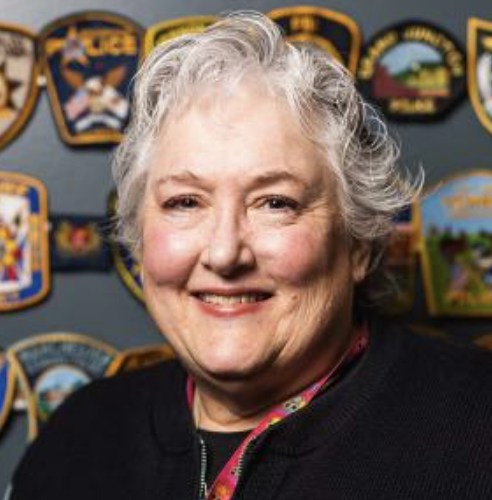
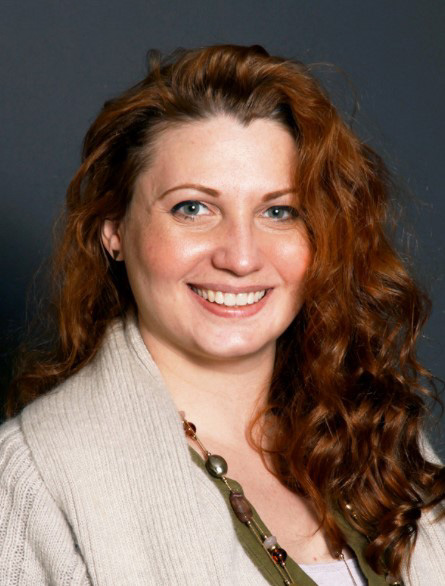
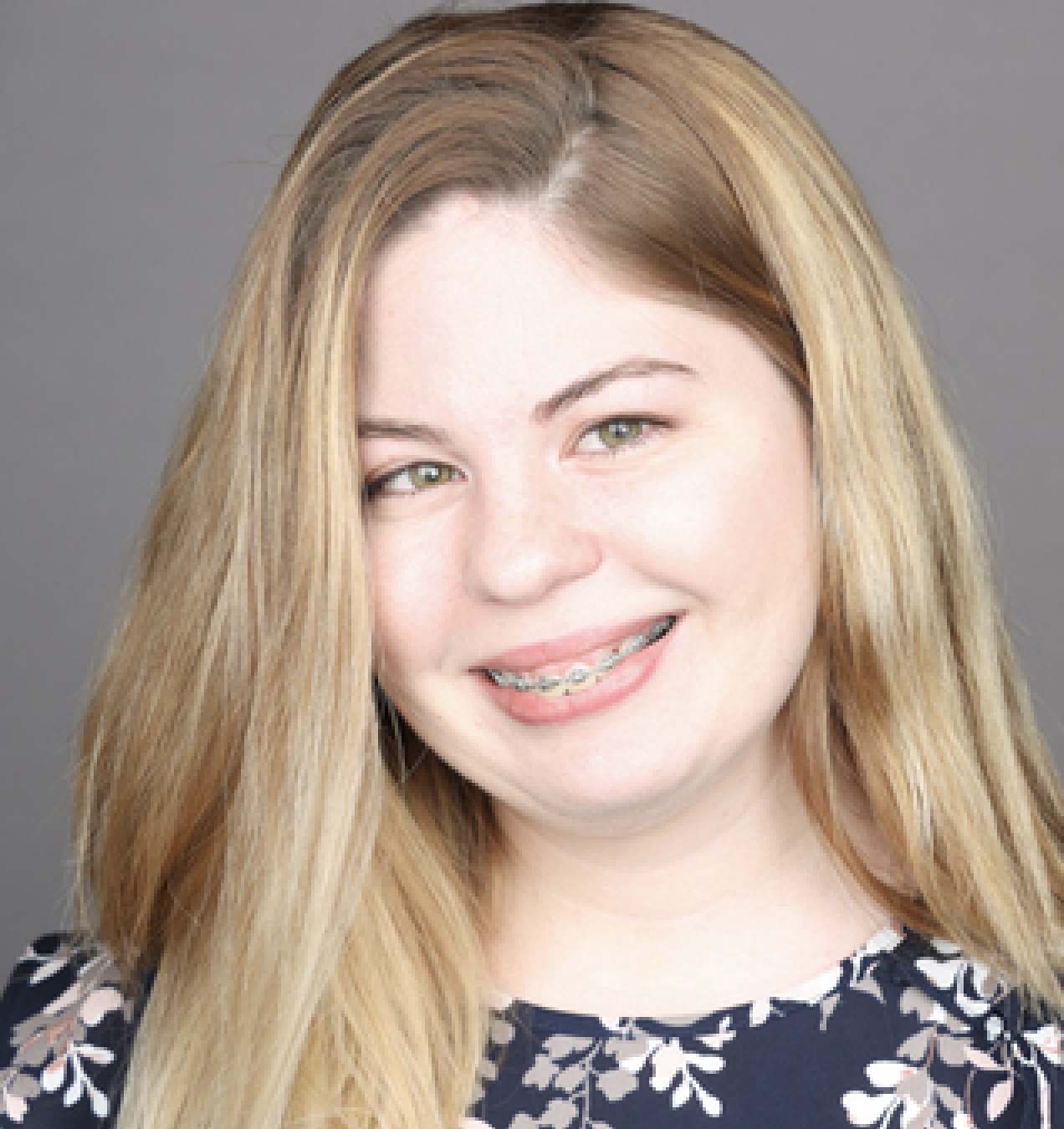
Our Clinicians Who Work With Eating Disorders
Related Approaches
Depending on your needs and treatment goals, approaches that may be incorporated into treatment include:
- Cognitive Behavioral Therapy (CBT)
- Acceptance and Commitment Therapy (ACT)
- Dialectical Behavior Therapy (DBT)
- Client-Centered Therapy
- Psychodynamic Therapy
- Strengths-Based Therapy
Explore our Anxiety, Depression, and Individuals pages for information about related concerns and services.
Ready to Get Started?
If concerns about food, eating, or body image are affecting your emotional well-being or daily life, therapy can provide a supportive place to begin.
Services are available in person at our Roselle, Illinois office and through telehealth for clients located in Illinois.
We accept several insurance plans, and coverage varies by plan and clinician. Contact us to confirm your benefits and whether your preferred provider and service are covered.